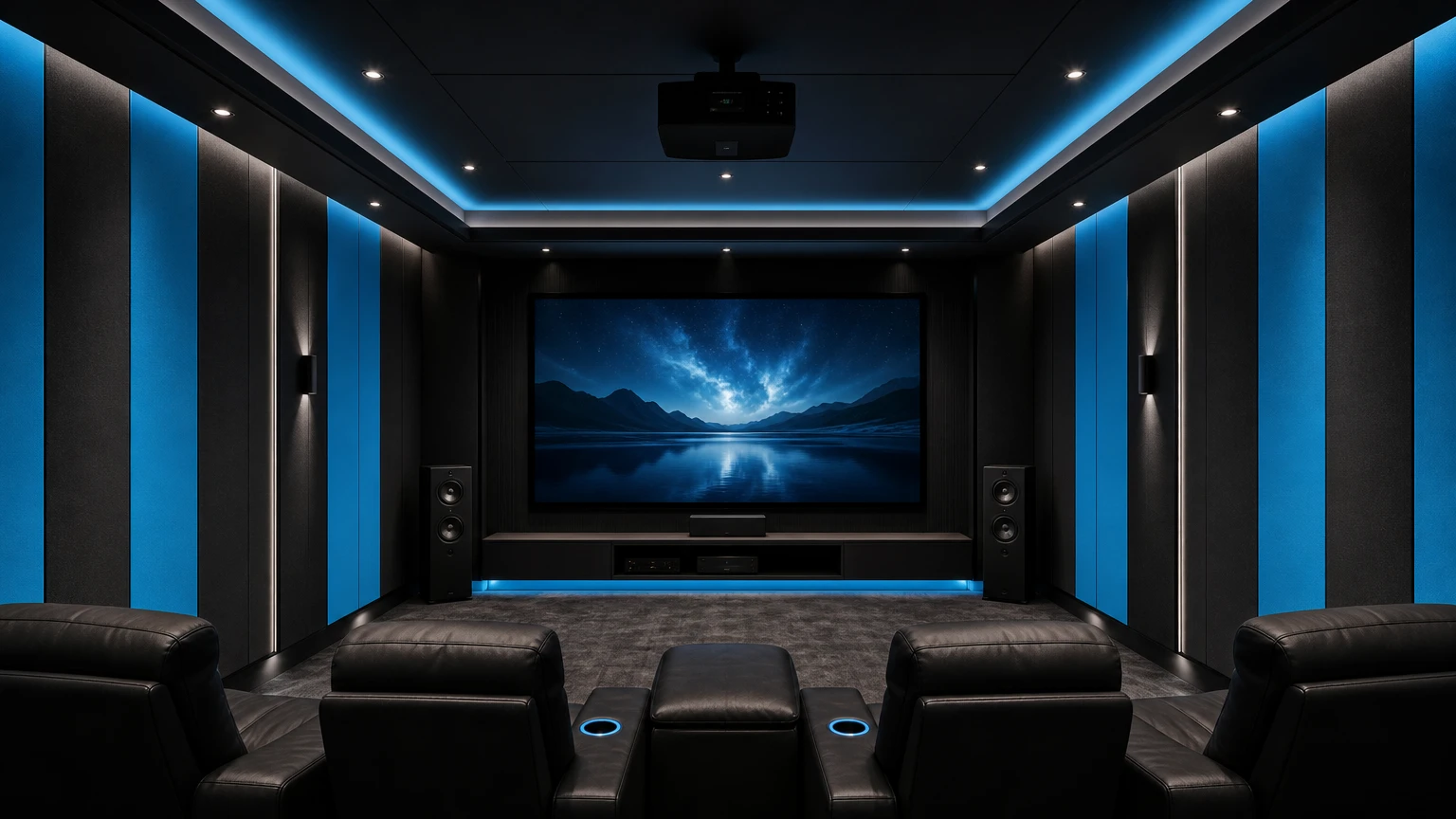
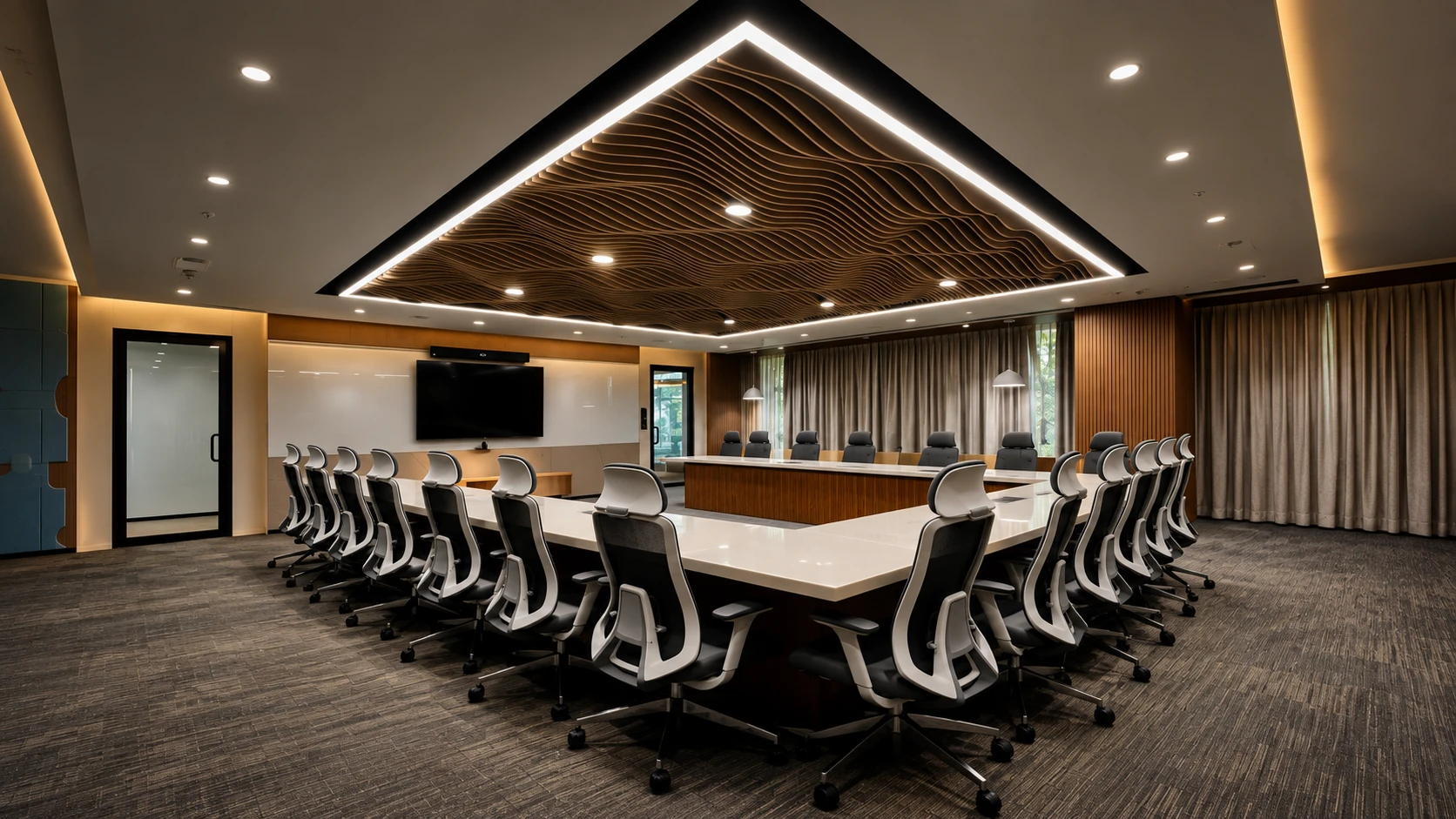
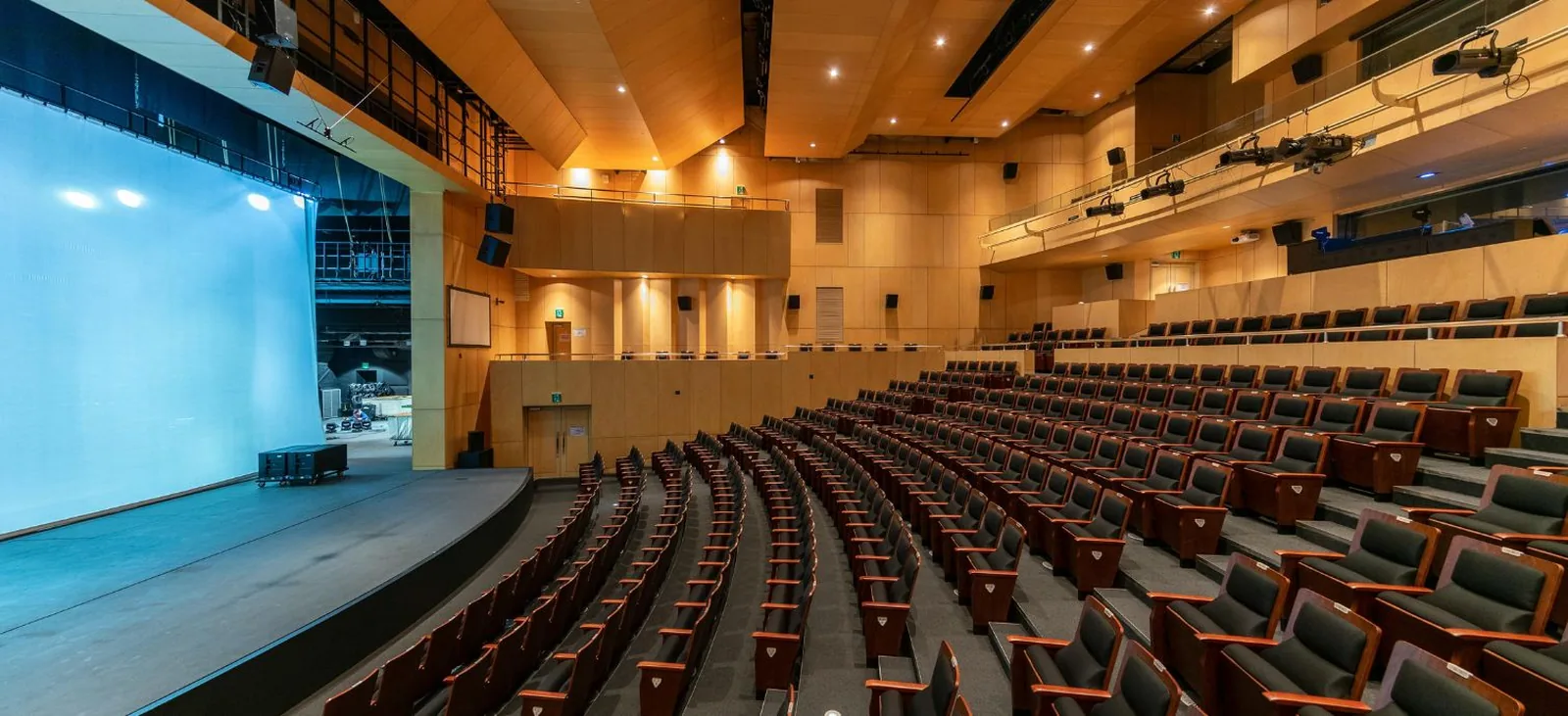
Home Theatre
Silence That Speaks Style

Silence Acoustic
Ravi Sebastian, Founder of Silence Acoustic, brings more than 20 years of industry experience in acoustics and soundproofing and has successfully delivered over 2,035 projects across a wide range of spaces and applications. His extensive hands-on background provides deep technical insight into the functional and aesthetic challenges of creating acoustically efficient environments. He ensures that the right acoustic materials are carefully selected for each space based on its specific requirements, while integrating thoughtful and aesthetically appealing designs that complement the overall look and functionality of the environment.
- 2035+
- Project Completed
- 20+
- Years of Experience
- 20+
- Team Strength
Silence Acoustic
Our Products
-
 Acoustic Ceiling Baffles
-
 Acoustic Ceiling Clouds
-
 Acoustic Designer Panels
-
 Parametric Design
-
 Micro Perforated Panel
-
 Acoustic Wooden Slats
-
 Acoustic Printed Panel
-
 Acoustic Wood Wool Board
-
 Acoustic Wooden Panel
-
 Acoustic 3D Panels
-
 Screen Partitions
-
 Acoustic Polyester Panel
-
 Acoustic Tile Panel
-
 Acoustic Foam
-
 Polysynth Wool
-
 Polyblock Membrane
-
 Soundproof Door
-
 Soundproof Window
Where we work
Every Space Has Its Acoustic Needs
We Have the Solution.
We cater to a wide range of spaces with customised acoustic and soundproofing solutions — from auditoriums and offices to studios, restaurants, homes, and commercial spaces.


Our Core Strength
Proven Expertise in Managing and Delivering Acoustic Projects Across Regions
At Silence Acoustics, our strong technical team, streamlined execution processes, and robust project management systems enable us to handle multiple acoustic projects simultaneously—across cities, regions, and complex site conditions.
- 01Site assessment
- 02Acoustic planning
- 03Material supply
- 04Installation
From detailed site assessments and acoustic planning to engineered material supply and professional installation, every stage is executed with consistency, accuracy, and disciplined timelines.
We go beyond standard execution by recommending the most suitable acoustic products based on the specific area, usage pattern, and performance requirements of each space. Our solutions are tailored to optimise sound isolation, absorption, and overall acoustic comfort, ensuring every project delivers measurable results and long‑term reliability.
- Sound isolation
- Absorption
- Acoustic comfort
Acoustic treatment
Our acoustic treatment solutions control echoes and reverberation, reduce unwanted sound reflections, and improve speech and audio clarity—creating a more comfortable and acoustically balanced space.
Panels, ceilings and foamSoundproofing
Our soundproofing solutions help reduce unwanted noise transmission, minimise disturbances, and prevent sound from escaping—giving you a quieter, more private, and comfortable space.
Membranes, doors and windowsAcoustic products
Innovative acoustic products designed for superior sound absorption and effective acoustic control. Combining performance, durability, and aesthetics to create acoustically balanced environments.
The full catalogueOur Project Showcase
-
 88 Pictures
Mumbai · Conference Room & Cabin
88 Pictures
Mumbai · Conference Room & Cabin
-
 ABC Fitness Orbit
Hyderabad · Office Space
ABC Fitness Orbit
Hyderabad · Office Space
-
 Warner Music Studio
Andheri · Recording Studio
Warner Music Studio
Andheri · Recording Studio
-
 Artillery Museum
Nashik · Auditorium & Halls
Artillery Museum
Nashik · Auditorium & Halls
-
 Accenture
Vikroli · Classroom & Training Rooms
Accenture
Vikroli · Classroom & Training Rooms
-
 Residential Home Theater
Hyderabad · Home Theatres
Residential Home Theater
Hyderabad · Home Theatres
-
 Red FM
Mumbai · TV Channels & Radio Station
Red FM
Mumbai · TV Channels & Radio Station
-
 Amethhyyst Lounge Bar
Mumbai · Hotels & Clubs
Amethhyyst Lounge Bar
Mumbai · Hotels & Clubs
-
 Bhoomi Celestia
Malad · Indoor Sports
Bhoomi Celestia
Malad · Indoor Sports
Testimonials That Speak
What consultants and clients say.
It was great working experience with Silence Acoustics team for my acoustic project design every time. Their finishing work and skill technician leads the project work every time smoothly with my clients
The Acoustic have Improved Tremendously and our speaker System also working Good. Well Job done and in a limited Timeframe. We appreciate your Humble and Dedicated Service.
Silence Acoustic provided complete design and construction supervision. We described our requirements, and they suggested several ideas. We selected one and the project turned out to be excellent. They were very good with their work. Before plans were drawn, they had a site survey, elevations, views, etc. It was joy working with Silence Acoustic