
TECHNICAL SPECIFICATION
PolySynth Wool
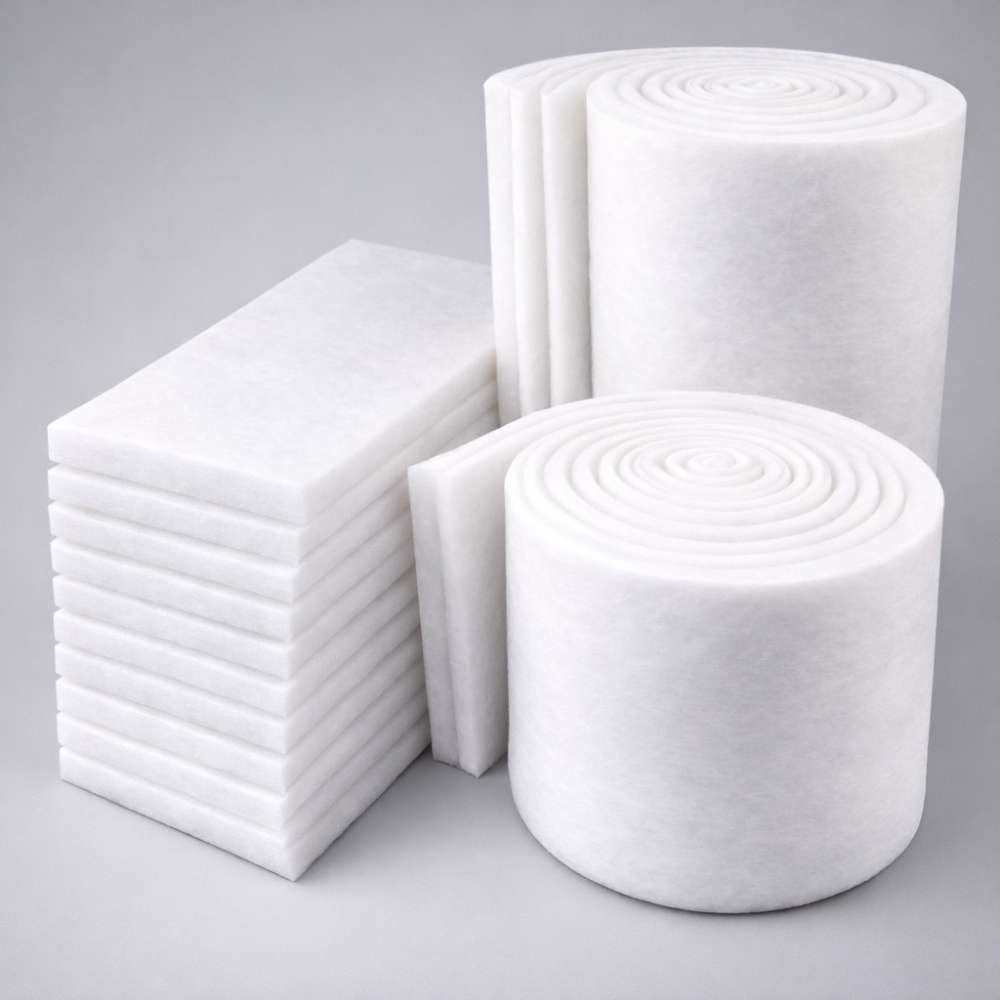
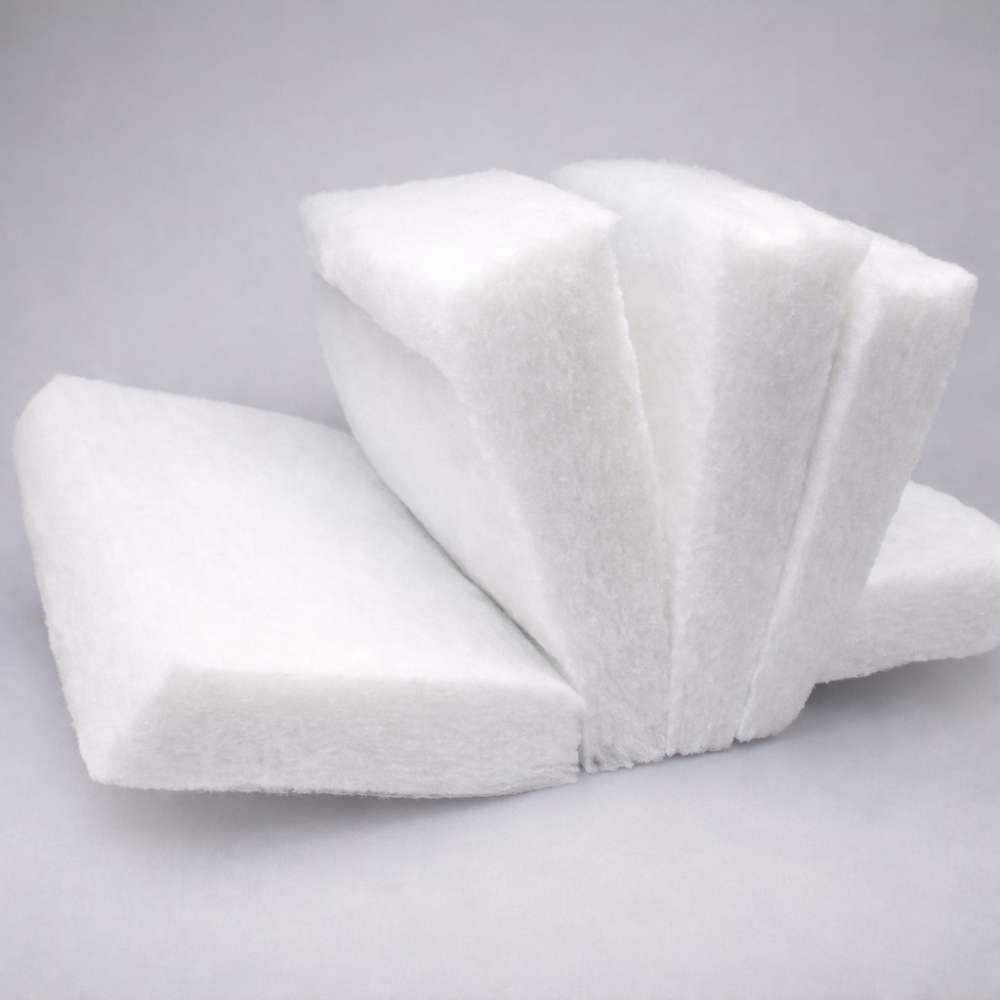
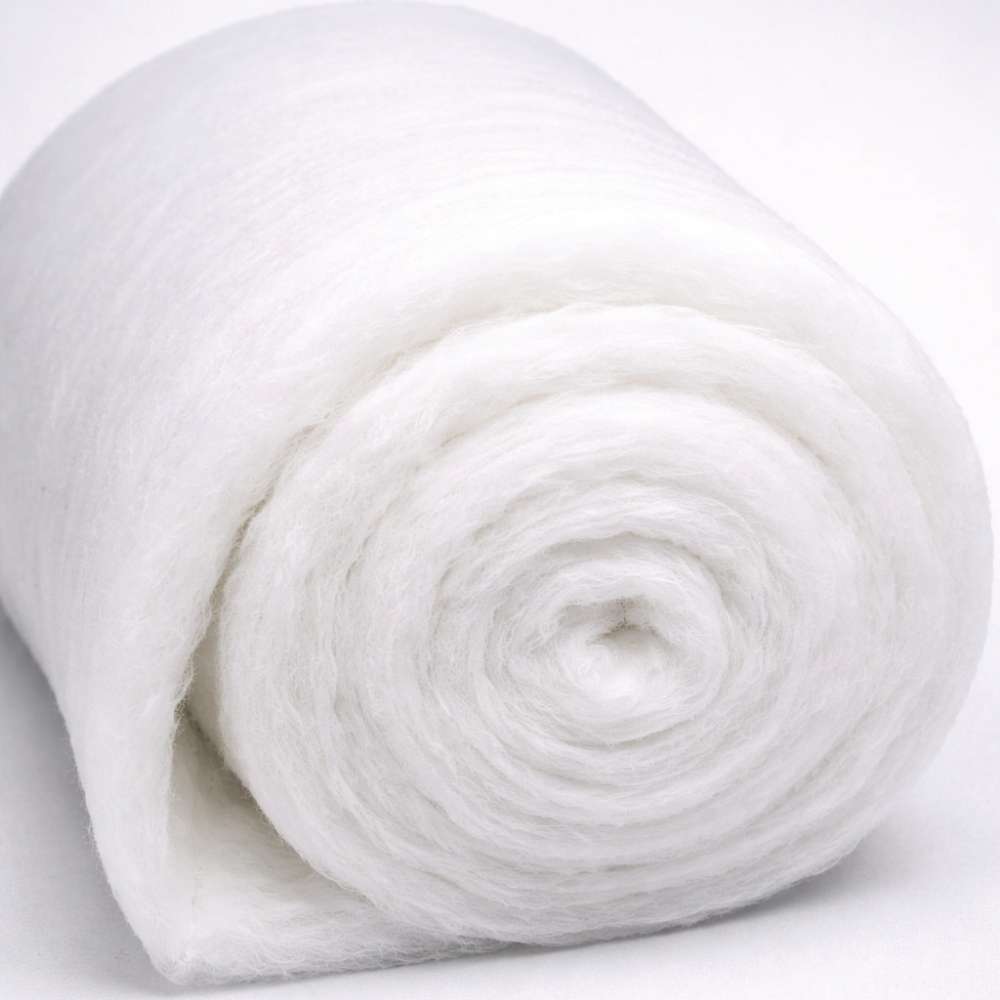
Experience superior acoustic and thermal performance with our innovative Silence Acoustic Polysynth Wool. This high-performance Polysynth Wool Acoustic Insulation is the modern, safe alternative to traditional materials, crafted from 100% thermally bonded Polyester Wool Acoustic Insulation. As a premium Acoustic Insulation Wool, it excels at absorbing unwanted noise and reverberation within building cavities, making it the ideal solution for high-performance Acoustic Insulation For Walls and equally effective as Acoustic Insulation For Ceilings. Unlike traditional mineral wools, this powerful Sound Absorbing Insulation Wool is non-toxic, non-allergenic, and non-irritant, ensuring a safe and easy installation for quieter, more comfortable spaces.
KEY FEATURES
Safe and Non-Irritant Material: Made from pure Polyester Wool Acoustic Insulation, our Polysynth Wool is free from harmful chemicals, non-allergenic, and doesn’t cause skin irritation during handling.
High-Performance Sound Absorption: An exceptional Sound Absorbing Insulation Wool that significantly reduces airborne noise, echo, and reverberation for improved acoustic clarity.
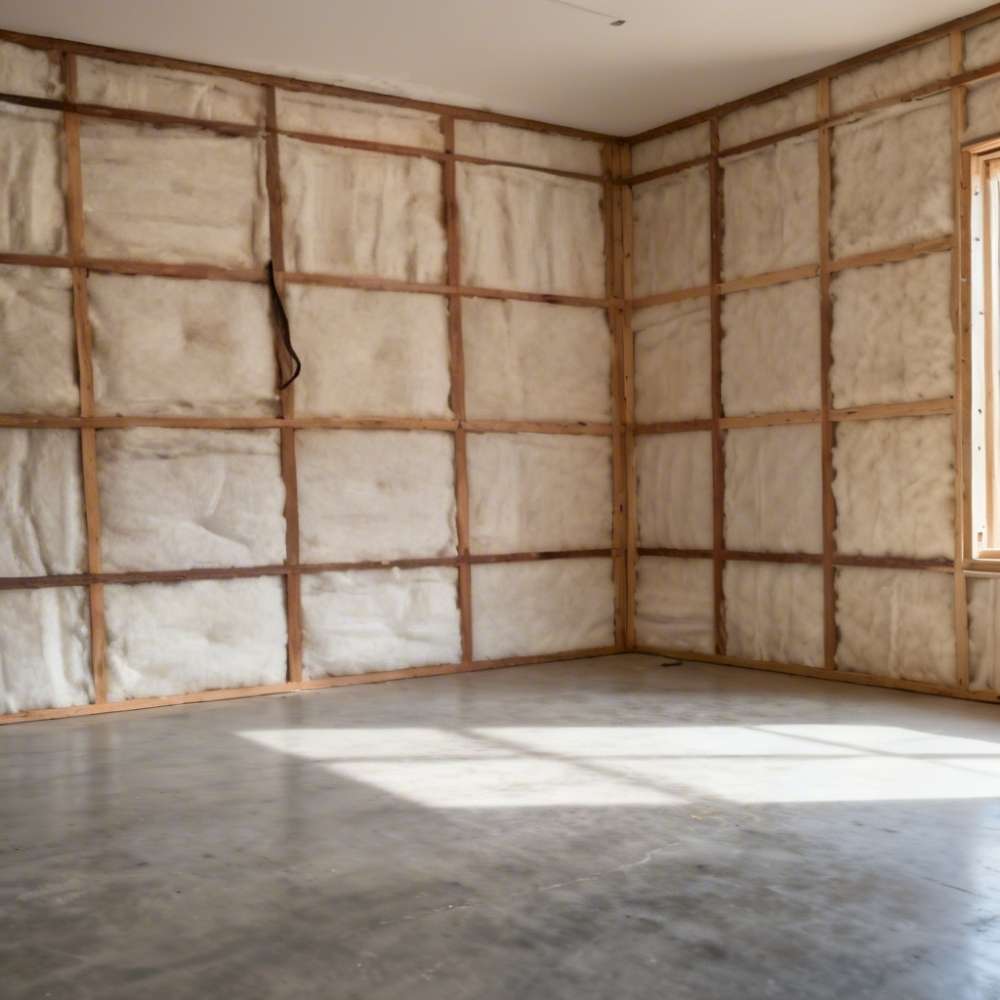
Optimized for Walls: The perfect choice for Acoustic Insulation For Walls, designed to fit perfectly within standard stud cavities to stop noise transfer between rooms.
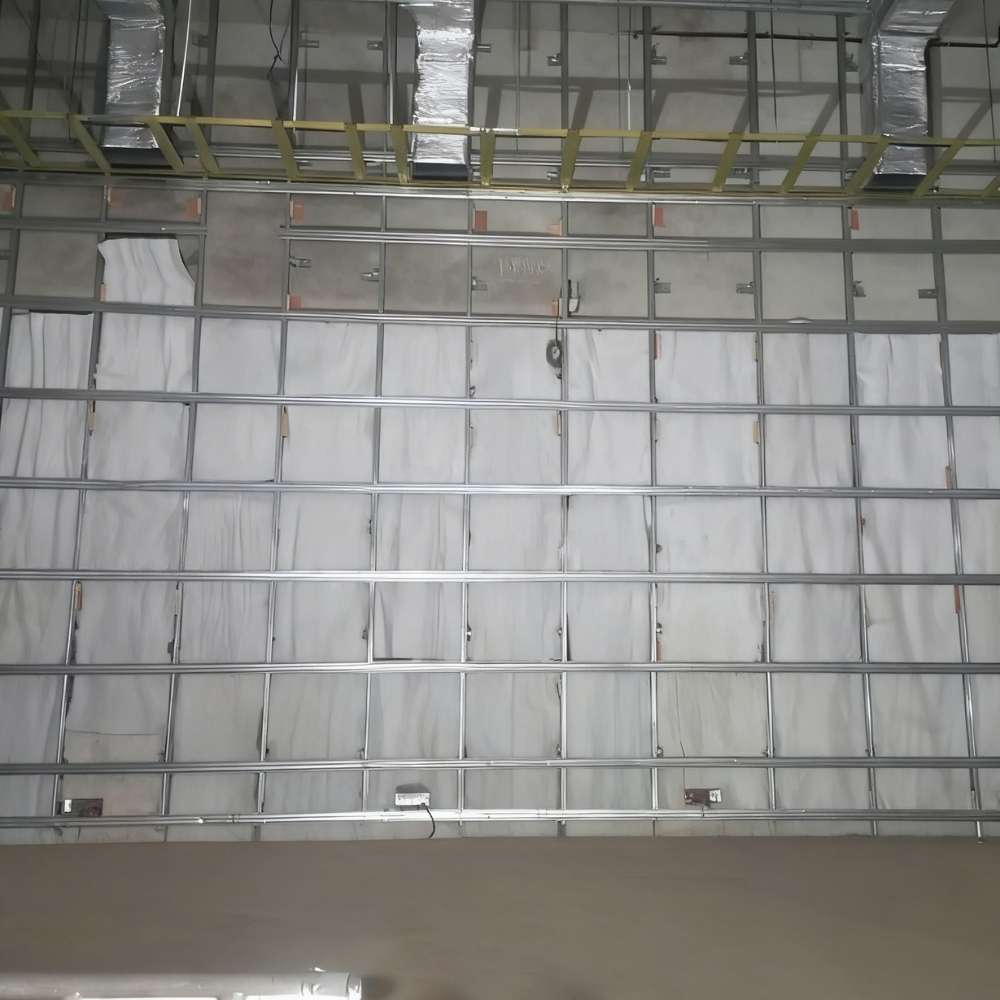
Ideal for Ceilings: A lightweight and effective solution for Acoustic Insulation For Ceilings, helping to reduce noise from floors above and improve the overall sound environment.
Durable and Long-Lasting: This versatile Acoustic Insulation Wool is moisture and mould resistant and will not slump or deteriorate over time, ensuring consistent performance for the life of the building.
Eco-Conscious Choice: Our Polysynth Wool Acoustic Insulation is often made from recycled materials and is 100% recyclable, making it a sustainable choice for green building projects.
INSTALLATION METHOD
Prepare the Frame
- Ensure the GI or Salwood frame is properly assembled, stable, and level.
- Measure the spaces between studs or horizontal members to determine the size of PolySynth Wool panels or rolls.
Cut PolySynth Wool to Size
- Use scissors or a utility knife to cut the wool to fit snugly between the frame members.
- For walls or partitions, panels should be slightly larger than the cavity to stay in place without gaps.
Place the Wool into the Frame
- Insert the cut wool panels or rolls directly into the cavities of the GI or Salwood frame.
- Ensure the wool is evenly distributed and not compressed too tightly, as this can reduce acoustic and thermal efficiency.
- Leave a small gap (2–3 mm) at the edges if covering with gypsum boards or plywood, allowing for expansion.
Secure the Wool (Optional)
- For vertical applications, use light adhesive spray, pins, or netting to hold the wool in place if it tends to sag.
- Avoid over-compressing the wool; it should remain fluffy for maximum performance.
Cover the Frame
- Install the finishing layer (e.g., gypsum board, plywood, or perforated acoustic panels) over the frame to enclose the wool.
- Seal edges with acoustic tape or sealant to prevent sound leaks.
Finishing Touches
- Check for any gaps or compressed areas and adjust as necessary.
- Make sure the surface is level and ready for painting or decorative treatment.